Projects that involve multiple contributors often face a common challenge: maintaining alignment. As teams grow and responsibilities become distributed, ensuring that everyone is working with the same information, structure and expectations becomes increasingly difficult.
This is particularly true in multi-faceted projects, where content, updates and feedback are coming from different sources. Without a centralised system, information tends to become fragmented. Different versions of the same content may exist, updates may not be reflected across all areas, and communication can become inconsistent.
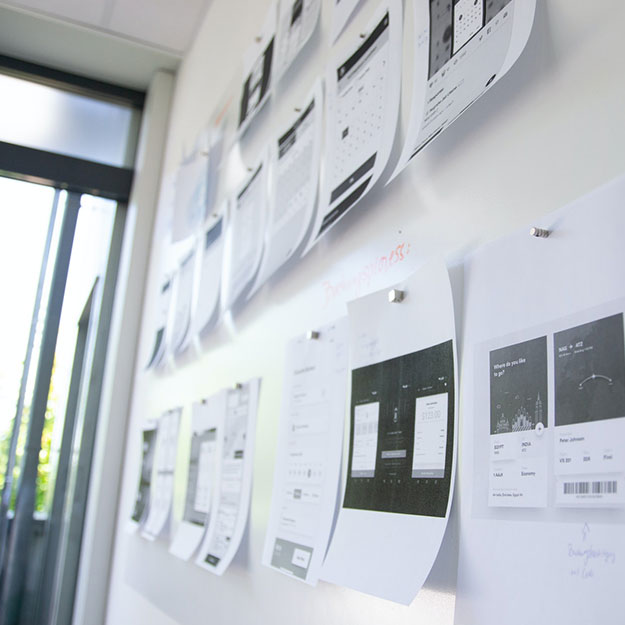
One of the main causes of this misalignment is the absence of a shared structure. When contributors are left to organise content independently, variations begin to appear. Sections may be created differently, naming conventions may vary and layouts may become inconsistent. Over time, this reduces clarity and makes it harder for teams to collaborate effectively.
A centralised digital environment helps address these issues by providing a single point of reference. Instead of relying on multiple tools or informal processes, all relevant content is brought together within a structured framework. This ensures that contributors are working within the same system, using the same standards.
Defining clear sections is a key part of this approach. When each type of content has a designated place, contributors can focus on adding value rather than deciding where things should go. This reduces duplication and ensures that information remains organised as the project evolves.
Consistency also plays an important role. When layouts and formats are standardised, contributors can quickly understand how to create or update content. This not only improves efficiency but also ensures that the platform remains cohesive, even as multiple people interact with it.
Another benefit of a structured environment is improved visibility. When all content is accessible in one place, it becomes easier to track progress, identify gaps and maintain oversight. This is particularly useful for project managers and stakeholders who need a clear view of how the project is developing.
Communication is also strengthened. While a structured platform does not replace direct communication, it supports it by providing a shared context. Teams can refer to the same content, understand the same structure and align their efforts more effectively.
It is important to note that alignment is not achieved by enforcing rigid rules. Instead, it comes from providing a clear framework that supports collaboration while allowing for flexibility where needed. This balance ensures that the platform remains both structured and adaptable.
In many cases, alignment issues become visible only after a project has grown. At that point, reorganising content can be time-consuming. Establishing a clear structure early on helps prevent these issues and creates a foundation that supports long-term collaboration.
Keeping projects aligned across contributors is not just about communication. It is about creating a shared environment where structure, content and workflows come together in a consistent and accessible way.